Why LinkedIn in 2026 is a layering game, not a lead gen sprint
One of the biggest reasons LinkedIn feels harder for so many businesses in 2026 is that they are still approaching it like a sprint.
The expectation is often that one strong post, one cold campaign or one lead magnet push should be enough to create an immediate pipeline. When that does not happen, the instinct is usually to blame the platform, the creative or the budget.
In reality, the businesses getting the best results from LinkedIn today are playing a very different game.
They are not relying on isolated lead generation moments. They are layering visibility, authority, familiarity and trust in a way that allows buyer confidence to build over time.
That shift in mindset changes everything, because LinkedIn has become a platform where the compounding effect of multiple touchpoints now matters far more than the performance of any single campaign.
Why the sprint mindset breaks down
The sprint mindset comes from treating every campaign as a standalone event:
A cold ad is expected to generate a booked call.
A lead magnet is expected to produce immediate revenue.
A thought leadership campaign is judged too quickly on direct attribution.
The challenge is that most B2B buying journeys no longer move that quickly, particularly when the offer is strategic, consultative or higher value.
Decision-makers need repeated exposure, internal validation and a growing sense of confidence in how you think before the commercial conversation feels timely.
That is why sprint thinking creates so much frustration. It puts pressure on a single touchpoint to carry the full weight of the buyer journey.
What layering actually means
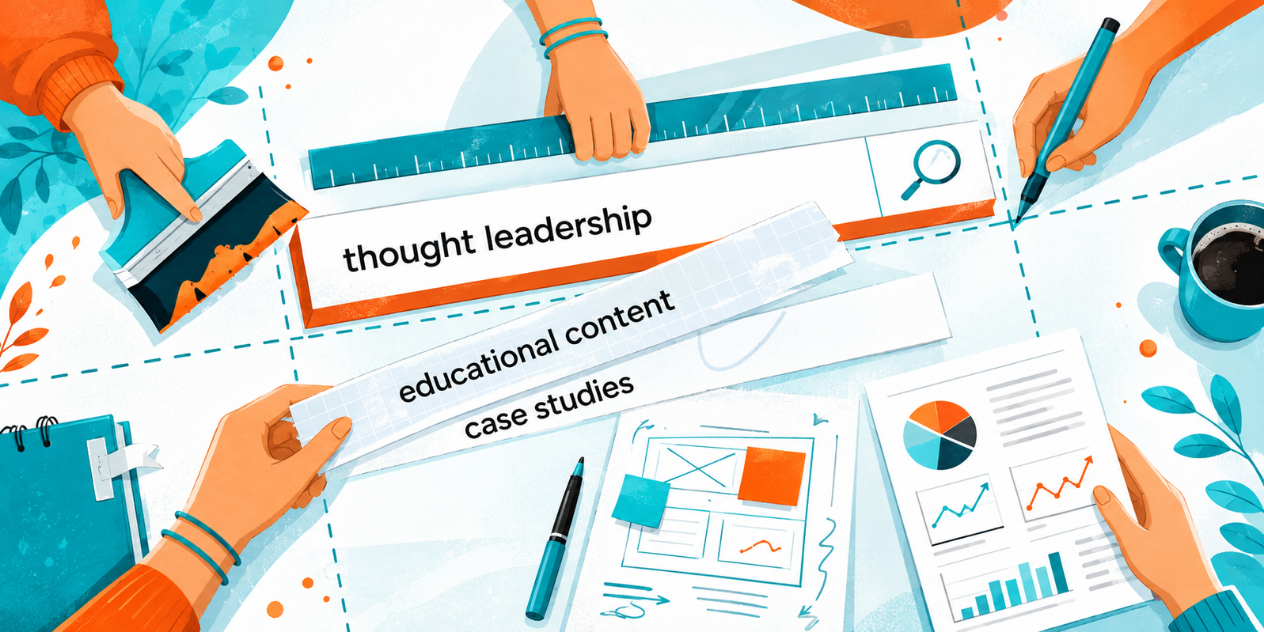
Layering is simply the deliberate design of multiple trust-building touchpoints that work together.
The first layer may be cold thought leadership or a lead magnet designed to earn qualified attention.
The next layer might be retargeting that keeps the brand familiar through text ads or useful educational content.
From there, case studies, social proof, client stories and authority-led content deepen confidence and reduce perceived risk.
Only once those layers have had time to do their work does the system begin asking for stronger commercial action.
What makes this so effective is that no single campaign is forced to do too much. Each layer plays a specific role in moving the buyer forward in a way that feels natural.
Why LinkedIn rewards this more in 2026

As the platform becomes more crowded, the brands that win are increasingly the ones that feel familiar.
People are seeing more content, more ads and more offers than ever before, which means isolated interruptions are easier to ignore.
Layering solves this by replacing interruption with recognition.
By the time somebody sees a stronger CTA, they may already have:
Read a useful post
Seen a retargeting ad
Watched an educational video
Noticed a client proof point
Clicked through to a service page previously
That sequence creates the sense that your brand is already present in their world, which dramatically reduces the friction of the next step.
Where most businesses under-layer
A lot of businesses are still over-investing in cold attention and under-investing in the layers that make cold attention convert.
They generate the first click well, although do very little to stay visible afterwards.
That means the system repeatedly resets back to zero.
Every campaign is forced to reintroduce credibility, rebuild trust and recreate familiarity from scratch.
The real commercial leverage appears when you stop restarting and start compounding.
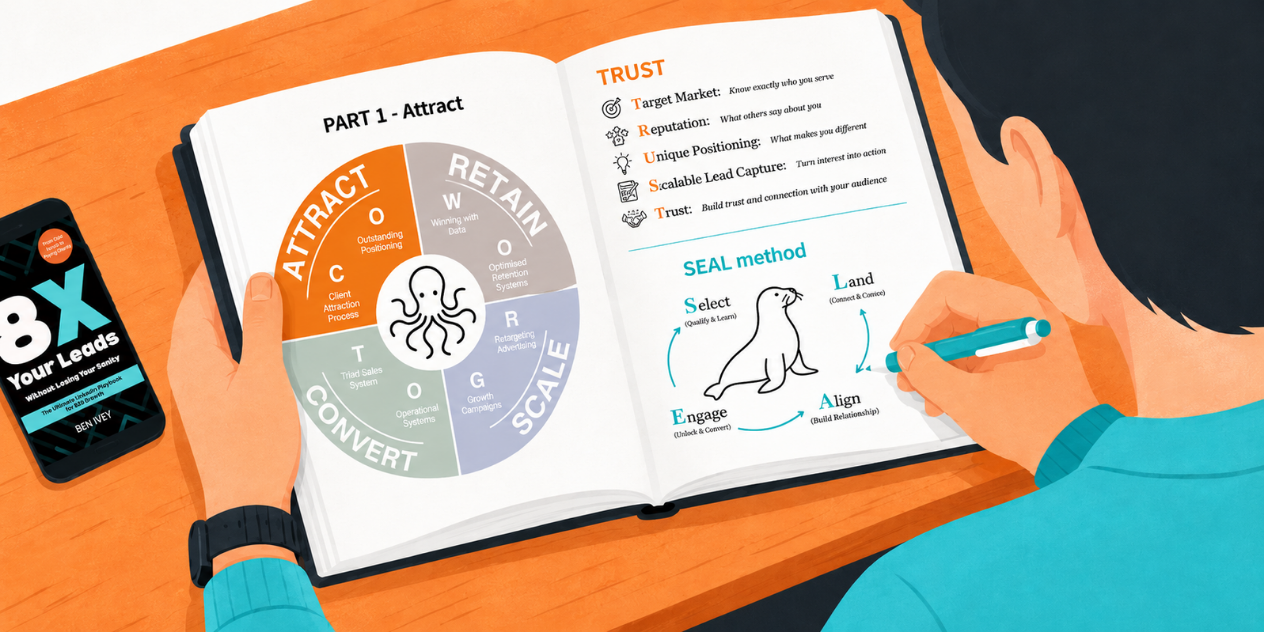
This is exactly what our Octogrow framework is designed to do by moving people from Attract to Develop to Sell in a connected sequence rather than disconnected bursts of lead generation activity.
What this changes in your strategy
Once you start thinking in layers, your campaign strategy becomes less reactive.
The question is no longer whether one ad generated enough leads this week.
The better question is whether the buyer is moving through enough useful touchpoints to make the eventual sales conversation feel obvious.
That changes how you allocate budget, how you sequence messaging and how you judge performance.
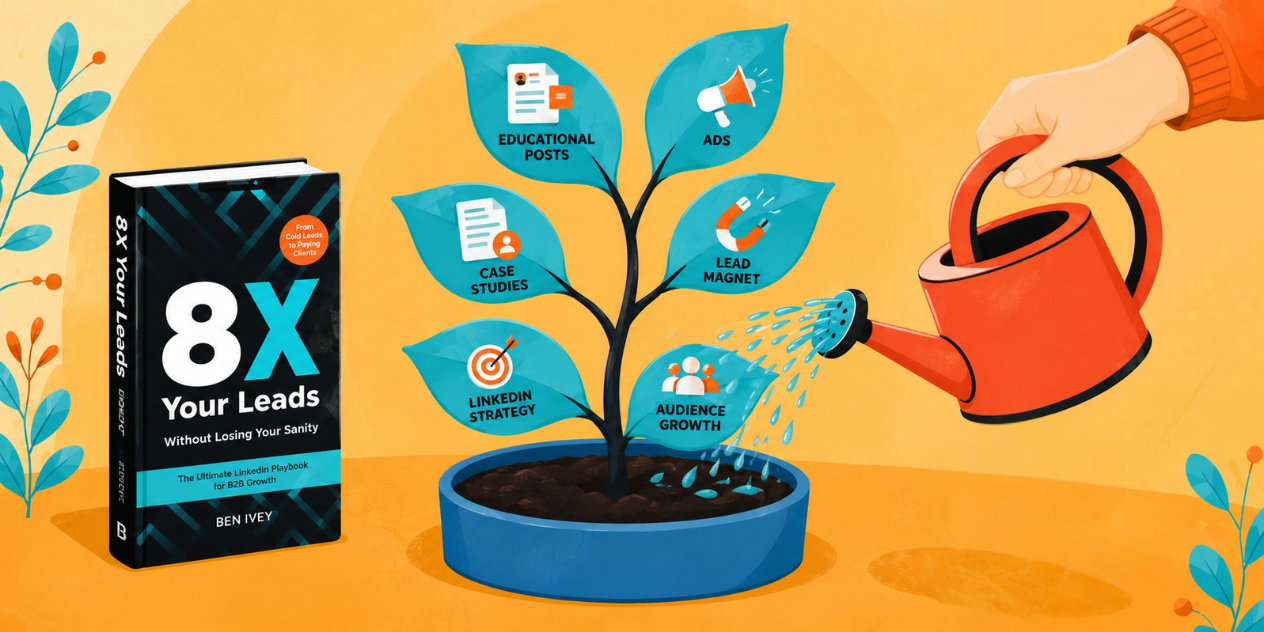
Visibility becomes one layer, trust becomes another, retargeting becomes another and sales intent becomes another.
The strength comes from the stack, not the isolated asset.
A final thought
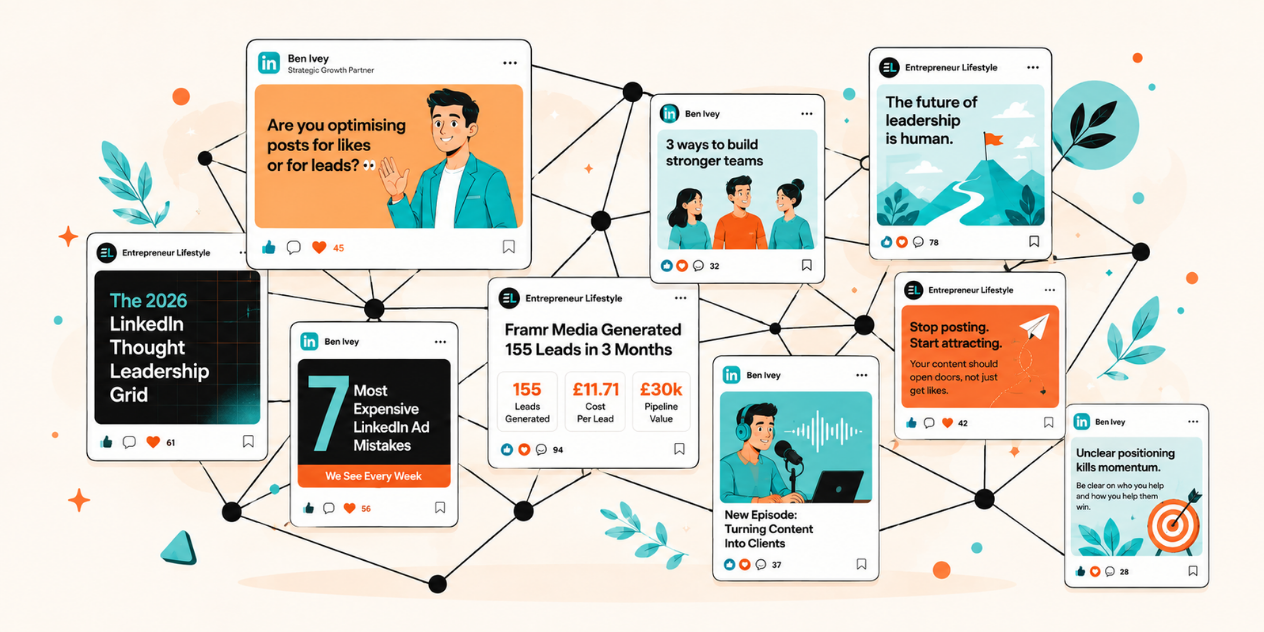
LinkedIn so far in 2026 rewards businesses that can stay present long enough for trust and timing to align.
That is why it has become a layering game rather than a lead gen sprint.
The businesses that understand this stop asking one campaign to do everything and start building ecosystems where each touchpoint quietly strengthens the next.
That is where the platform starts to feel lighter, easier and far more commercially predictable.