The Problem with Waiting for Referrals
Referrals are one of the best ways to grow a business.
When someone recommends you, there is already trust in the room. The conversation feels warmer, the sales process is usually easier and you do not have to work quite so hard to prove yourself.
For years, referrals were a huge part of how I built my business. Speaking gigs, introductions and opportunities overseas often came through people I knew, people I had helped or people who had seen me speak and passed my name on.
At the time, it felt like the ideal way to grow.
The difficulty is that referrals can make growth feel more predictable than it really is. You may be excellent at what you do, have strong relationships and deliver results people genuinely value, but still have very little control over when the next introduction arrives.
When Momentum Depends on Memory
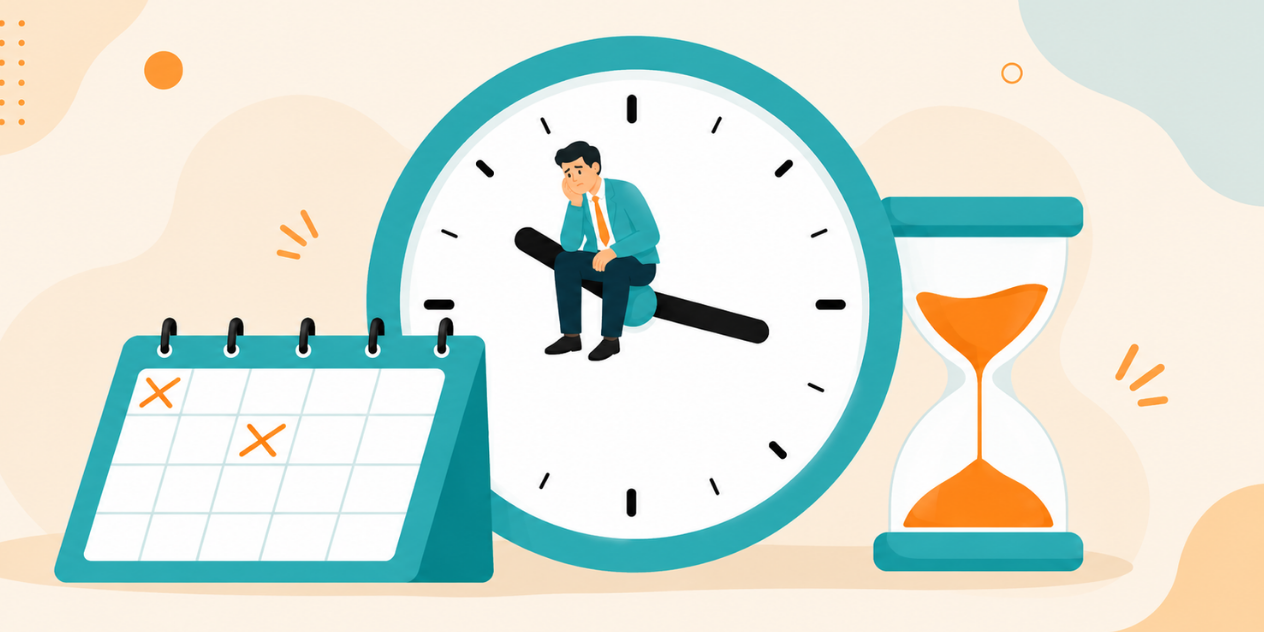
Referral-led growth can change quickly.
A few strong introductions can make the business feel like it has real momentum. A client passes your name on, a past contact gets back in touch or someone mentions you in the right room at the right time.
Those moments are valuable, especially when they lead to good-fit clients.
When referrals slow down, there may be no obvious problem to fix. Your service may still be strong. Your clients may still be happy. Your reputation may still be growing.
The pipeline can still become quiet.
That is what makes referrals difficult to rely on as the main source of growth. So much depends on someone else remembering you at the exact moment another person needs what you offer.
Sooner or later, most businesses built this way run into the same question: what is creating opportunities when nobody happens to be making an introduction?
Why a Second Engine Matters
That is where a second engine earns its place.
A second engine gives you a steadier way to stay in front of the right people, build familiarity and create movement before the pipeline starts to thin out.
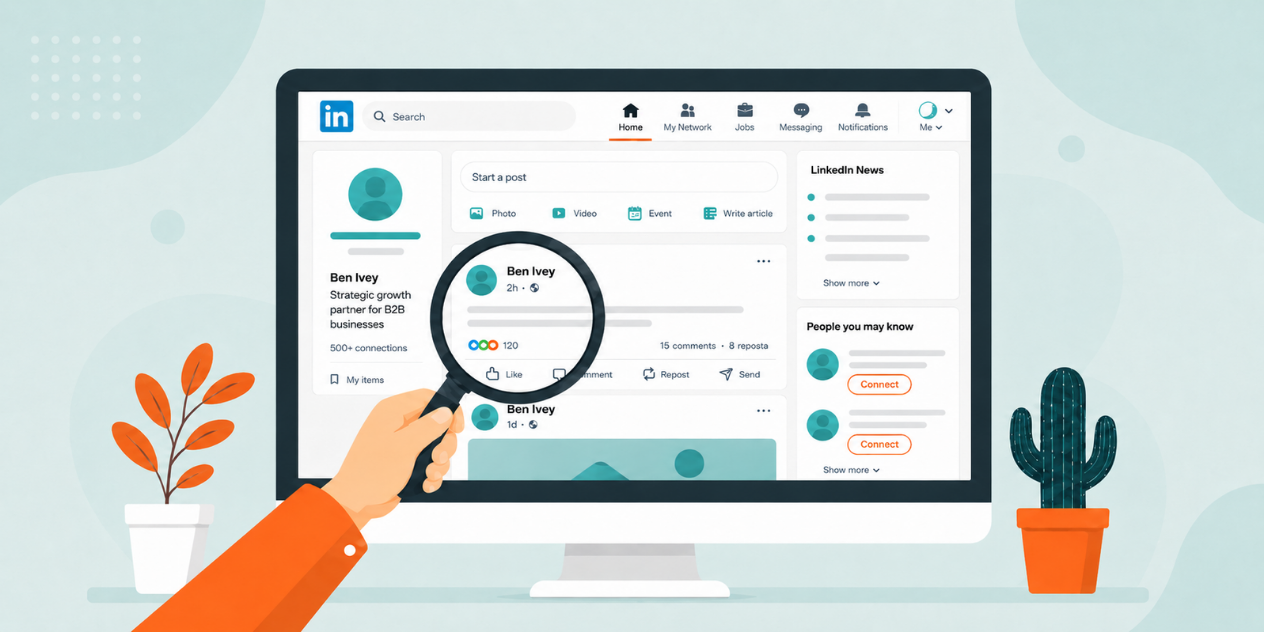
LinkedIn is useful here because it gives you more control over who sees your business and what happens after they show interest.
Someone reads a post, visits your profile, checks your website, downloads a guide or looks through a case study. Over time, they begin to understand why your business is relevant.
That is when the pressure starts to ease.
Instead of relying on the next introduction to arrive at the right moment, you have people discovering your business, engaging with your ideas and moving closer to a conversation over time.
Referrals can then do what they do best: strengthen momentum rather than create it from scratch.
When Referrals Become the Bonus, Not the Plan

Referrals are brilliant. They build trust quickly and often lead to fantastic clients.
The risk comes when they become the whole growth plan.
If most of your new business still depends on someone else remembering to recommend you, it is worth asking what happens when that slows down.
A proper system gives the business more breathing space. It keeps you visible, captures interest and creates opportunities before the pipeline starts to feel empty.
That is the healthier version of referral-led growth.
You still benefit from the trust and goodwill of your network, but you are no longer waiting for it to produce every opportunity.