The LinkedIn Shifts We're Paying Attention To
One of the questions I've been asked recently is:
"What are you paying attention to on LinkedIn right now?"
It's a good question because the platform keeps evolving. What worked a few years ago doesn't necessarily work today, and I suspect that pace of change is only going to accelerate as AI continues to influence how people create content, consume information and make buying decisions.
There are a few areas we're paying particularly close attention to at the moment, but they all stem from one belief:
I think it's becoming increasingly expensive to generate leads without first building awareness.
For a long time, many businesses approached LinkedIn with the fairly simple objective of generating leads as quickly as possible. Run campaigns, book calls, fill the pipeline…
That can still work.
What I'm seeing, however, is that it becomes significantly easier and often significantly cheaper when people already know who you are.
Brand awareness first, lead generation second
One of the biggest shifts you'll see from us is a clearer distinction between brand awareness campaigns and lead generation campaigns.
Historically, many businesses have focused almost entirely on lead generation. The challenge is that you're asking somebody to take action before they've had much opportunity to get to know you.
Increasingly, I think a more intelligent approach is to build awareness first.
If somebody has seen your content multiple times, understands what you do and has some familiarity with your brand, the lead generation campaign that follows tends to perform much better.
You're no longer starting from zero. You're starting from recognition.
That recognition becomes an asset over time because you're building an audience that already knows who you are and what you stand for. The more I look at successful LinkedIn campaigns, the more I think this relationship between awareness and lead generation is becoming more and more important.
Why email still matters
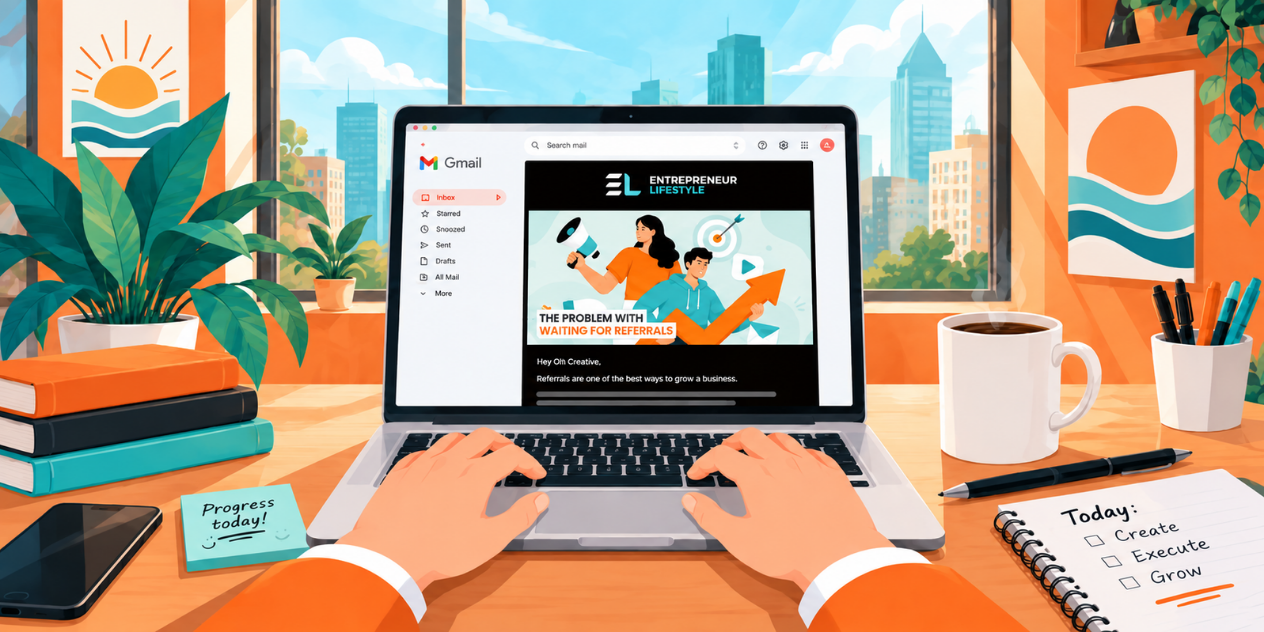
Another thing that continues to surprise people is how well email marketing still works.
It's not something we talk about a huge amount, and it's not something we actively push, but because we've built a large infrastructure over time, it has become a valuable part of what we do in the background.
I think one of the mistakes businesses make is expecting LinkedIn to do everything.
LinkedIn is fantastic for visibility, awareness and starting conversations. Email is excellent for continuing those conversations. Together, they create a much stronger multi-channel approach than either channel can deliver on its own.
Inboxes have undoubtedly become more crowded, and there are challenges that come with that. However, I still think email remains a highly effective way of staying connected with people who have already shown an interest in what you do.
That's why I increasingly see email as a natural complement to LinkedIn rather than an alternative to it.
Death to vanilla content
If there's one thing we're focusing heavily on, it's avoiding what I call vanilla content.
The internet does not need more content that sounds exactly like everything else.
The rise of AI means generic content is easier to create than ever before. Unfortunately, that also means it's easier than ever to ignore.
We're spending much more time thinking about whether our content is interesting, whether it creates some kind of emotional response and whether it gives people a reason to remember us.
Sometimes that's through useful insights… sometimes it's through a story… sometimes it's through humour.
I recently found myself having a siesta under a table at an event I was hosting. That's probably not the kind of thing most marketing teams would put in a content strategy, but people remember it.
The point isn't to be silly for the sake of being silly, it’s to create content that feels human.
In a world where almost anyone can create content at scale, being memorable matters more than ever.
The outreach question
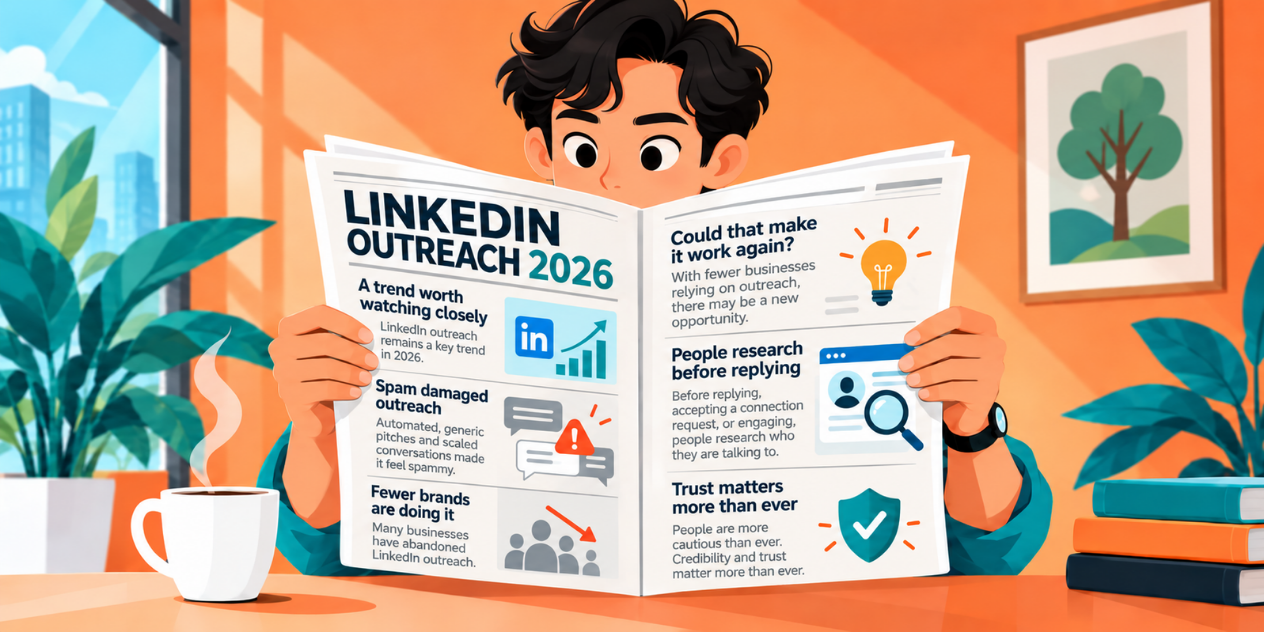
The final trend I'm watching closely is LinkedIn outreach.
To be honest, I'm still undecided on where it's heading.
For a period of time, outreach became heavily associated with spam. Everyone seemed to be automating messages, sending generic pitches and trying to scale conversations that should never have been scaled.
As a result, many people abandoned it altogether.
What interests me is whether that creates an opportunity. As fewer businesses rely on outreach, it might actually become more effective again.
That said, there is one important caveat. People are more cautious than ever before.
Before replying to a message, accepting a connection request or engaging in a conversation, most people will do some research first. They want to know who they're talking to, whether they're credible and whether the conversation is worth having.
That means trust matters more than it ever has.
A final thought
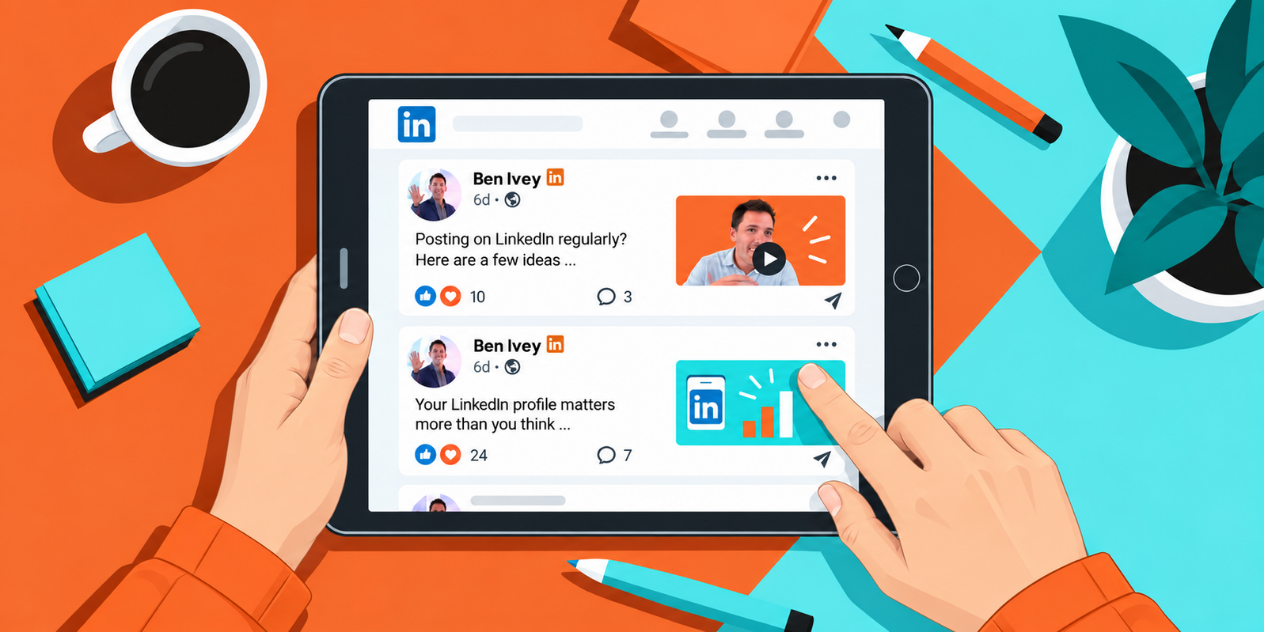
If I had to summarise our thinking at the moment, it would be this: Build awareness before asking for action.
Create content that people actually remember. Use multiple channels rather than relying on one. Focus on building trust long before you ask somebody to become a customer.
The businesses that do those things consistently will, in my opinion, have a significant advantage over the coming years.
P.S. If you're looking at your LinkedIn strategy and wondering where to focus, start by asking: “Are you only trying to generate leads, or are you also building an audience that knows, likes and trusts your brand?” If you'd like help with that, feel free to get in touch or check out my book, 8x Your Leads.