How to turn one LinkedIn lead magnet into months of ad creative
One of the most common mistakes I see with LinkedIn lead magnets is that businesses treat them like single-use assets.
A guide gets written, a checklist goes live or a webinar is packaged into a downloadable resource, and the entire strategy becomes driving traffic to that one landing page until the CPL starts creeping up.
At that point, the assumption is usually that the asset has “run its course”.
In reality, the problem is rarely the lead magnet.
The real issue is that the asset has only been used in one format, at one stage of the journey, for one type of buyer readiness.
A genuinely strong lead magnet should not just generate leads for a week or two. It should become the raw material for months of LinkedIn Ads creative across multiple layers of the buyer journey. That is where the real commercial leverage starts to appear.
Why one asset should create multiple touchpoints
A lead magnet is rarely just the PDF, checklist or framework itself.
What you are really creating is a concentrated source of insight.
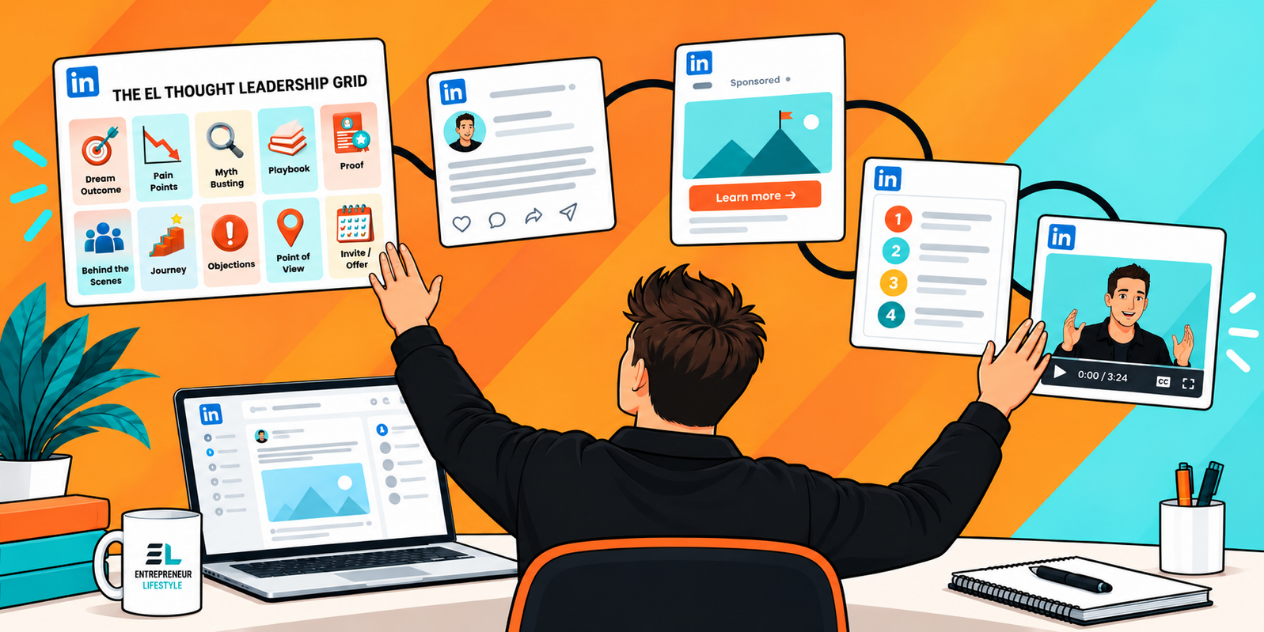
Inside that single resource are usually:
Multiple pain points
Frameworks
Mistakes
Case study moments
Statistics
Opinion angles
Short educational lessons
Proof points
CTA bridges
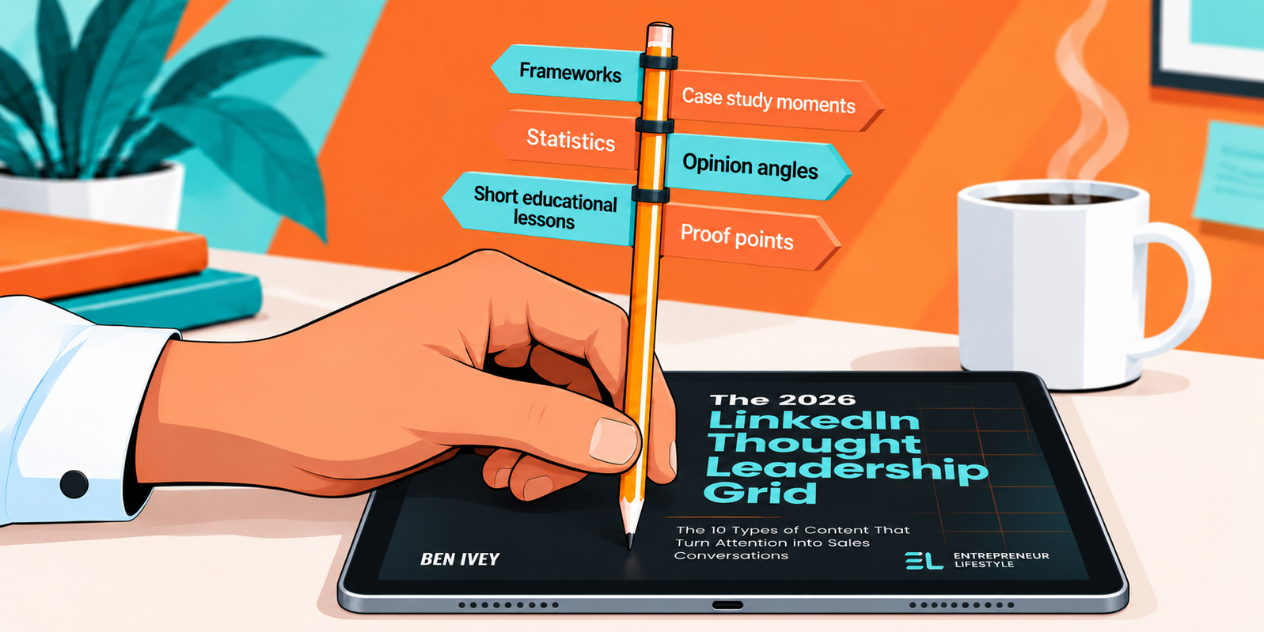
Every one of those components can become a different LinkedIn ad format:
A single chapter inside the guide may become an educational ad.
A common mistake section can become a short thought leadership post.
A framework page can become a carousel creative.
A case study paragraph can become social proof retargeting.
What started as one downloadable asset gradually becomes an ecosystem of touchpoints that keeps the audience warm long after the original download.
The layering sequence that makes this work

The reason this works so well on LinkedIn is that the same core idea can evolve as buyer readiness changes.
The first layer may use the lead magnet as the cold attention asset, designed to earn the initial click.
From there, the exact same content can be repurposed into educational ads that deepen the buyer’s understanding of the problem.
Once that audience is warm, the same framework can be turned into case-study retargeting, proof-led messaging or low-cost text ads that keep the brand familiar.
As the sequence develops, stronger CTA-led ads can then draw on the same original asset to invite strategy calls, diagnostics or service conversations.
The creative changes, although the strategic core remains the same.
That is what allows one piece of content to stay commercially useful for months.
Why this dramatically lowers creative fatigue

One of the biggest hidden advantages of this approach is how much it reduces creative fatigue.
A lot of businesses assume they need constant new creative to keep LinkedIn Ads performing.
Often, what they actually need is better extraction from the assets they already have.
When one lead magnet can be unpacked into multiple pain-point angles, short lessons, framework snippets and case-study fragments, the creative runway becomes dramatically longer without sacrificing message consistency.
This also improves buyer recognition because the same strategic idea keeps appearing in slightly different forms, reinforcing memory and trust rather than forcing the audience to constantly process a completely new message.
The mistake most businesses make

The biggest mistake is stopping at the download.
They collect the lead, trigger an email sequence and move on to creating something completely new.
That leaves huge amounts of commercial value trapped inside the original asset.
The better approach is to treat the lead magnet as the centre of a content cluster.
Every useful lesson inside it becomes:
A thought leadership angle
An educational ad
A retargeting proof point
A low-cost familiarity layer
A sales conversation bridge
Once you think this way, every strong lead magnet becomes months of strategic ad inventory rather than a short-lived campaign asset.
What this changes in your LinkedIn strategy
This fundamentally changes how you think about campaign planning.
Rather than asking “what ad should we build next?”
The better question becomes “what else is already hidden inside the asset we have?”
That one shift dramatically improves:
Content efficiency
Ad consistency
Trust layering
Warm audience nurture
Creative longevity
Campaign ROI over time
For most B2B brands, this is one of the fastest ways to make LinkedIn Ads feel easier, because the creative engine starts compounding instead of resetting every month.
A final thought
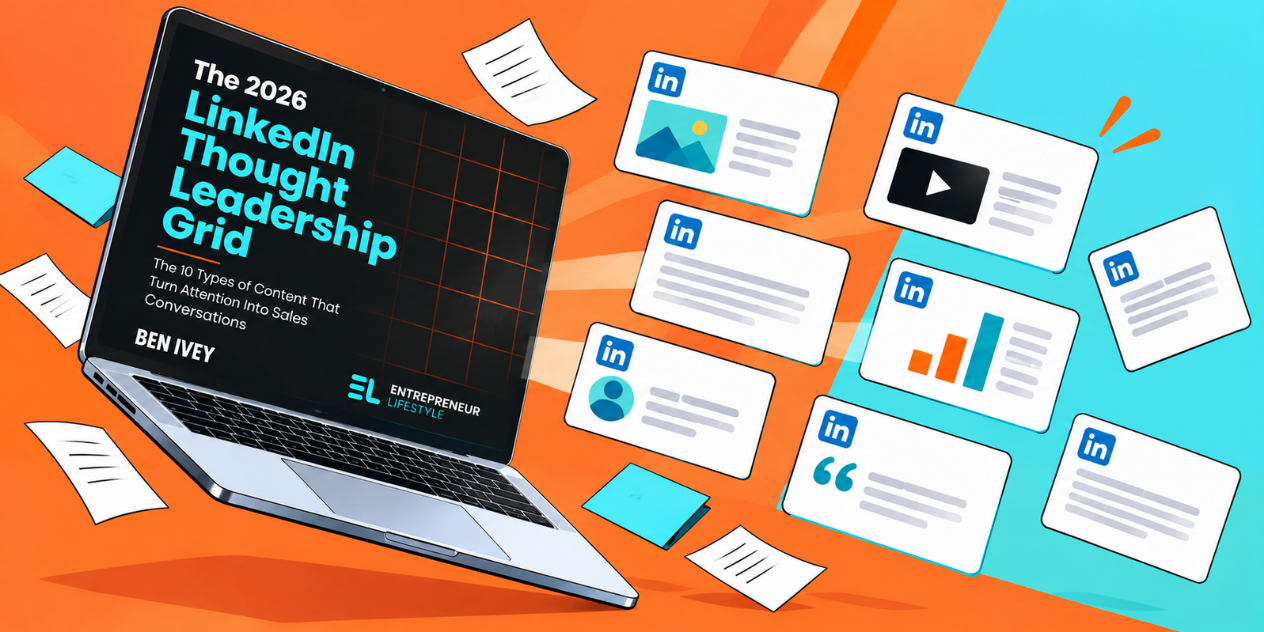
The best LinkedIn ad systems rarely depend on endless new ideas.
They usually come from extracting more strategic value from the best ideas you already have.
A genuinely useful lead magnet should never be the end of the campaign.
It should be the beginning of a much longer creative sequence that keeps educating, retargeting and building trust until the buyer is ready.
That is how one asset becomes months of momentum.